
How Professor Hou Tingjun Integrates AI with Pharmacy
2026-07-03 | 药学院英文网
Professor Hou Tingjun’s Team at the School of Pharmacy Zhejiang University was Honored as the 13th ZJU “Five-Good” Mentor-Student Team.
The Computational Biology and Intelligent Drug Design Team is an innovative mentor-student group advancing the frontier of artificial intelligence-enabled new drug research and development. Led by Professor Hou Tingjun, ZJU Distinguished Professor and recipient of the National Talents Program, the mentoring team includes Xie Changyu, Li Dan, Kang Yu, Pan Peichen, Wang Jike and Shen Chao. Spanning pharmaceutical sciences, physics, computer science, chemistry, biology and other disciplines, the team currently comprises 30 doctoral students and 11 master’s students. Rooted in the interdisciplinary field of “AI+Pharmacy”, the team adheres to the fundamental mission of “cultivating talents for the Party and the nation”, centers its work on student development, and strives to foster high-level interdisciplinary talents with global vision and innovative capacity.
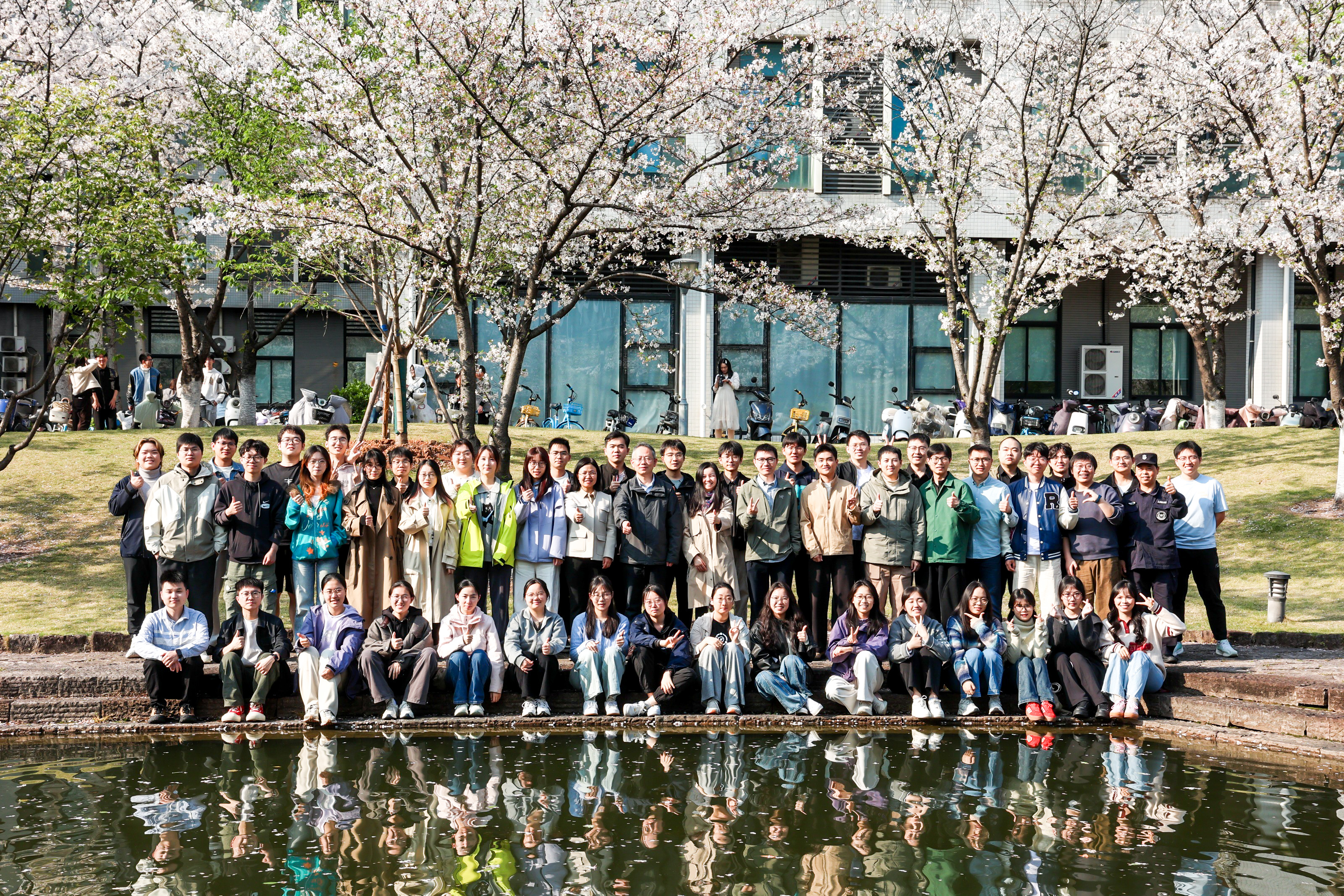
Targeting key scientific challenges in AI-driven drug design and computational biology, and responding to national demands for the prevention and treatment of major diseases, the team has built four research pillars: AI-and-physics dual-driven small-molecule drug design, AI-and-physics dual-driven biomacromolecule drug design, research on target-ligand recognition mechanisms via multi-scale molecular simulation, and drug molecular design for vital therapeutic targets. These efforts advance deep integration of algorithmic innovation and pharmaceutical applications. In recent years, the team has produced abundant research outputs, publishing 29 papers in the sub-journals of Nature, Science and Cell, and undertaking numerous major national research projects. Over 70 percent of team members have received university-level or higher honors. Standout achievements include one recipient of the Baidu AI Scholarship (only 10 winners worldwide), one winner of the Zhejiang University Zhu Kezhen Scholarship, one winner of the “Qizhen Cup” Top Ten New Academic Achievements of ZJU Students, four young researchers selected into the university-level Qiushi Rising Star Training Program, and one recipient of the First Excellent Interdisciplinary Doctoral Dissertation Award (only 14 awardees university-wide). Many students have obtained university-sponsored overseas study opportunities and been enrolled in the Qiushi Eagle Program, while multiple students have won the National Scholarship. The team’s research has exerted extensive academic influence and provided critical technical support for new drug discovery.
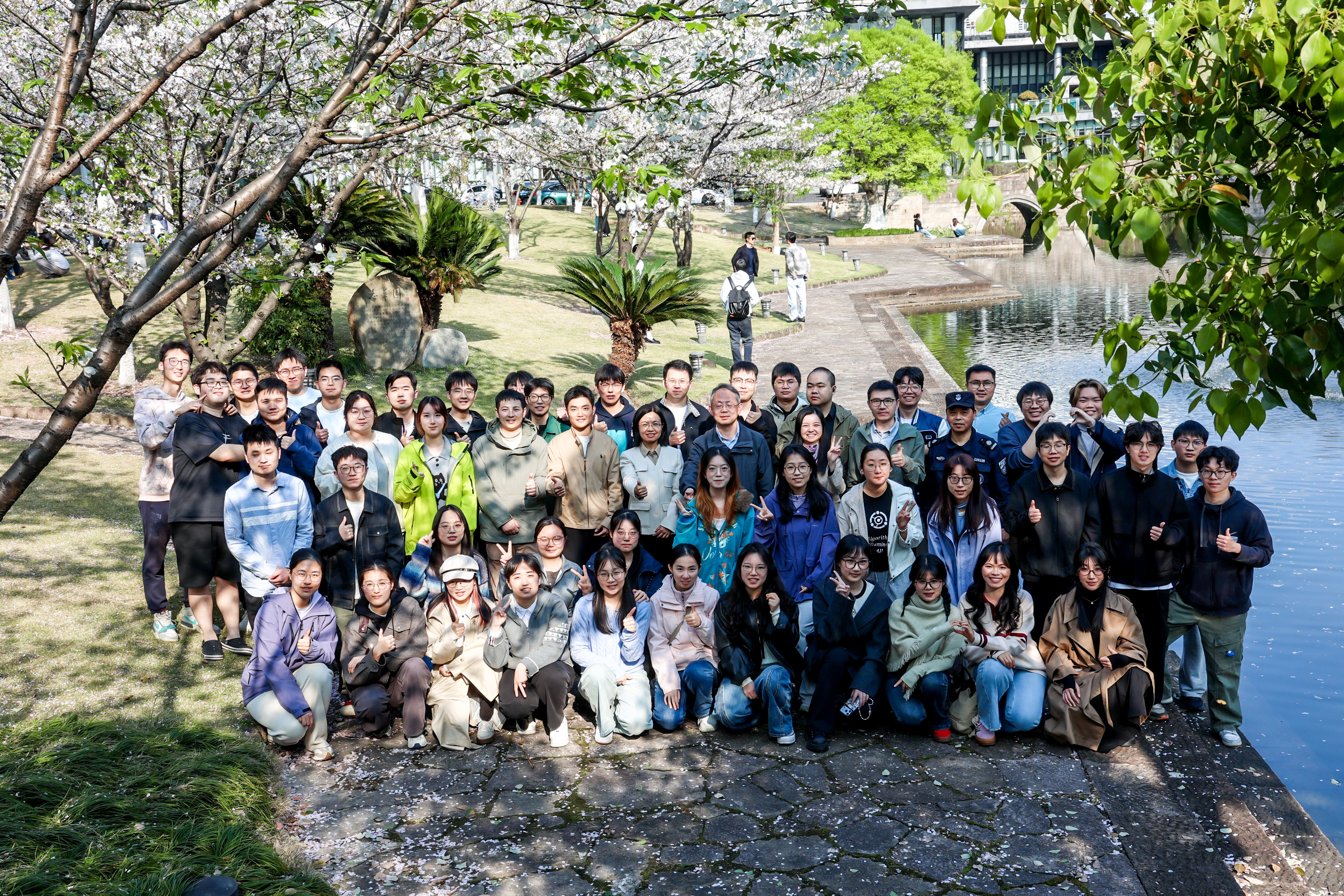
In teaching and talent cultivation, the team attaches great importance to building sound mentor-student relationships and puts forward the educational philosophy of “multi-dimensional self-motivation”. It translates cutting-edge research advances into postgraduate training, establishes an innovative interdisciplinary collaborative education network, encourages all-round development of students, and guides them to strengthen innovation and practical capabilities by tackling real research problems. Over the past five years, the team has secured six national-level gold awards and delivered two faculty-student joint innovation projects. Notably, student researchers independently developed a full-process integrated intelligent new drug discovery platform, claiming the National Gold Award at the China International College Students’ Innovation Competition (2024) and the National Gold Award at the 14th “Challenge Cup” National College Students’ Entrepreneurship Competition. This landmark double national gold award achievement in innovation and entrepreneurship contests marks a milestone in the college’s cultivation of innovative talents. In the past five years, 28 students have graduated from the team, achieving a zero delayed graduation rate and a 100% employment rate. Many alumni have joined prestigious universities and top research institutions, and nearly 90 percent of graduates work in priority sectors guided by national employment policies, making sustained contributions to national scientific and technological progress and industrial development.
NEWS
-
28
2026.07
-
17
2026.07
-
03
2026.07
-
08
2026.06
-
27
2026.05
-
15
2026.04